Azim Uddin

Articles By This Author

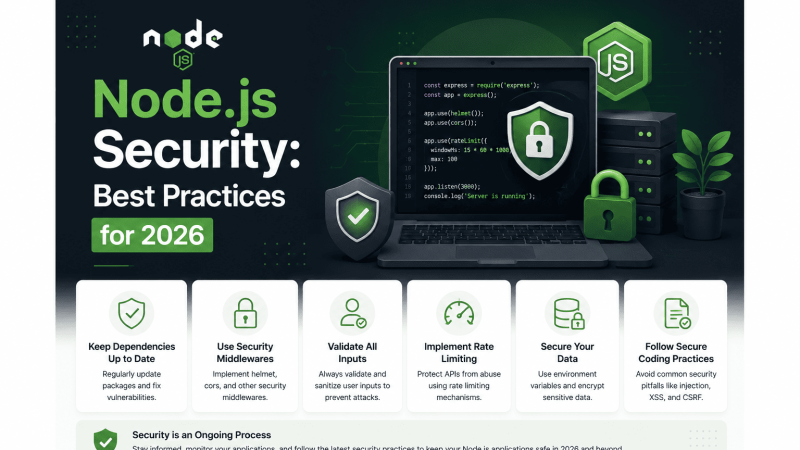
Node.js Security: Best Practices for 2026

Introduction: The Shifting Threat Landscape for Node.js in 2026 Node.js continues to power a vast portion of modern web applications, from API gateways to real-time services. As the ecosystem matures, so too do the tactics of adversaries. In 2026, the threat landscape is defined by increased automation, supply chain exploitation, and the weaponization of asynchronous […]
Read More

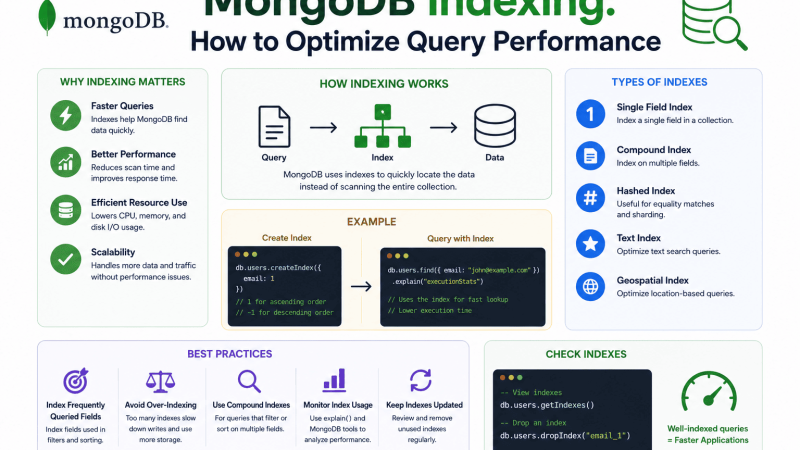
MongoDB Indexing: How to Optimize Query Performance

Introduction to MongoDB Indexing and Query Performance In MongoDB, indexing is the primary mechanism for achieving fast query execution at scale. Without indexes, MongoDB must perform a collection scan, examining every document in a collection to find matching results. As collections grow into millions or billions of documents, collection scans become prohibitively slow, degrading application […]

Read More

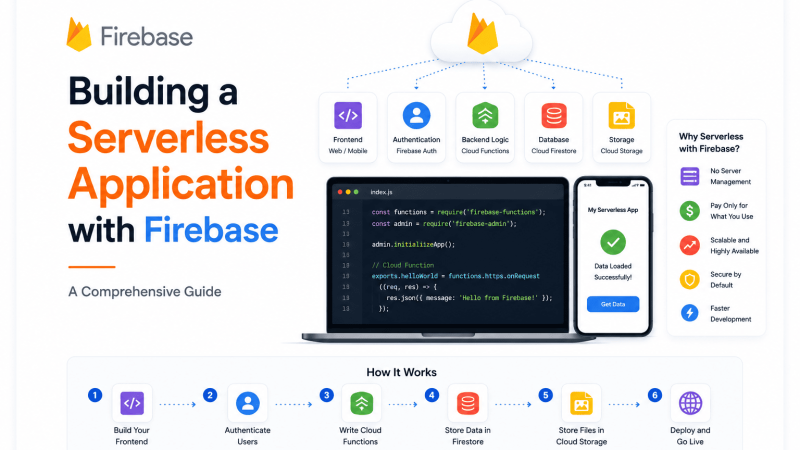
Building a Serverless Application with Firebase: A Comprehensive Guide

Introduction to Serverless Architecture and Firebase What Is Serverless Computing? Serverless computing is a cloud execution model where the cloud provider dynamically manages the allocation and provisioning of servers. Developers write and deploy code without worrying about the underlying infrastructure, such as virtual machines, containers, or operating systems. In a serverless architecture, applications are broken […]

Read More

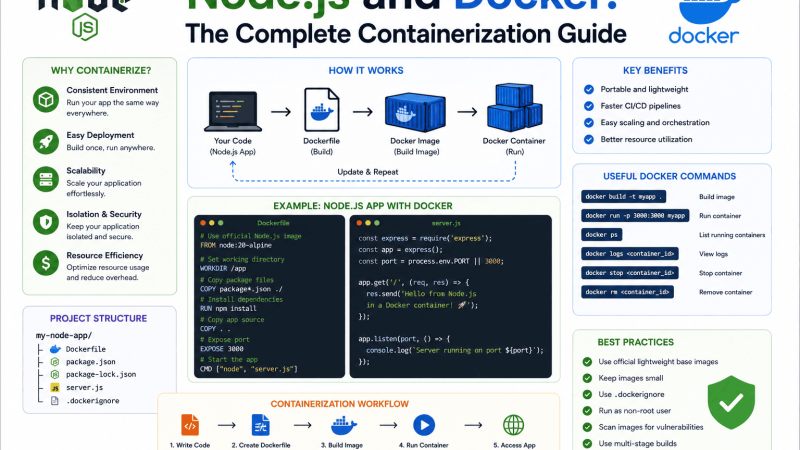
Node.js and Docker: The Complete Containerization Guide

Introduction to Node.js and Docker Containerization Combining Node.js with Docker represents a paradigm shift in how developers build, ship, and run applications. Node.js, with its event-driven, non-blocking I/O model, excels at handling concurrent requests and building scalable network applications. Docker, on the other hand, provides lightweight, portable containers that encapsulate an application and its dependencies […]

Read More

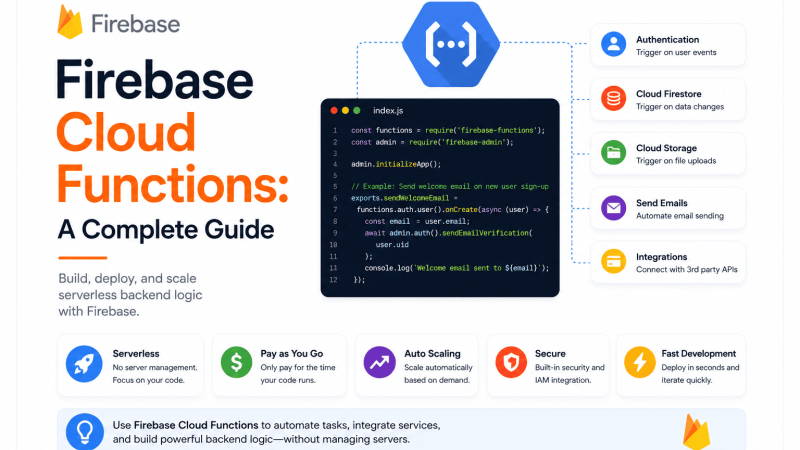
Firebase Cloud Functions: A Complete Guide

Introduction to Firebase Cloud Functions What Are Firebase Cloud Functions? Firebase Cloud Functions are a serverless compute service that automatically runs backend code in response to events triggered by Firebase features and HTTPS requests. Part of the Firebase ecosystem, they allow developers to extend app functionality without provisioning or managing any server infrastructure. Written in […]

Read More

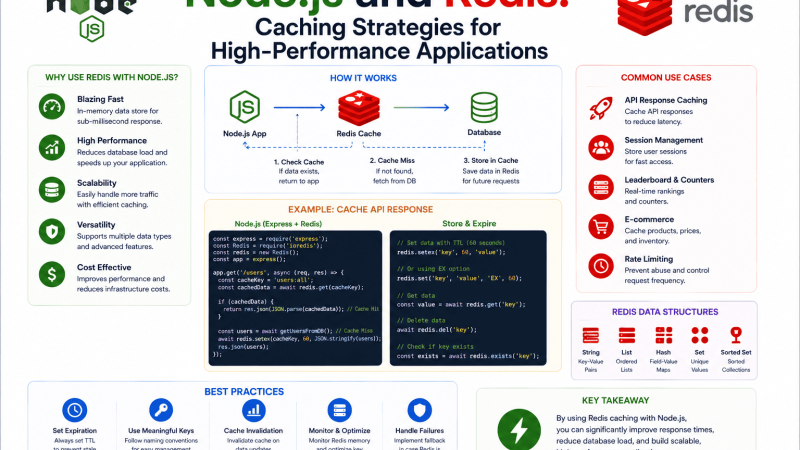
Node.js and Redis: Caching Strategies for High-Performance Applications

Introduction to Caching with Node.js and Redis Caching is a foundational technique for building high-performance Node.js applications. Without it, every user request that requires data—whether from a database, an external API, or a computation-heavy process—can introduce latency that degrades the user experience and strains backend resources. Node.js, with its event-driven, non-blocking architecture, excels at handling […]

Read More

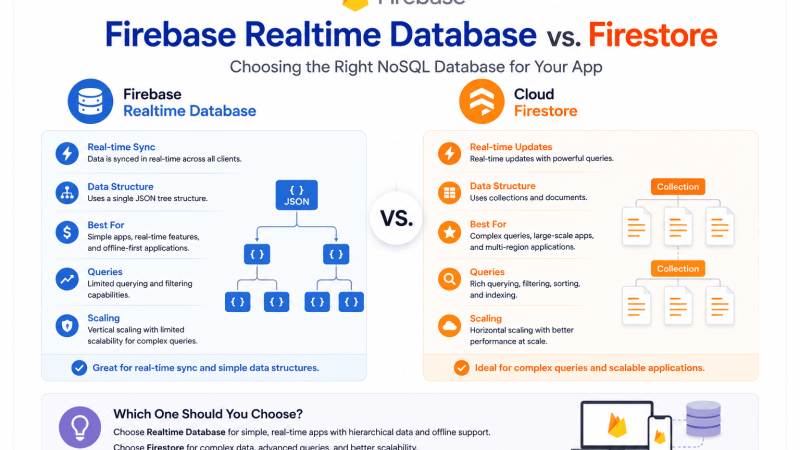
Firebase Realtime Database vs. Firestore: Choosing the Right NoSQL Database for Your App

Introduction to Firebase Realtime Database and Firestore Within the Firebase ecosystem, two primary NoSQL, cloud-hosted databases serve mobile and web applications: Firebase Realtime Database and Cloud Firestore. Both are designed to synchronize data in real time across clients, scale automatically, and integrate seamlessly with other Firebase services like Authentication and Cloud Functions. However, they differ […]

Read More

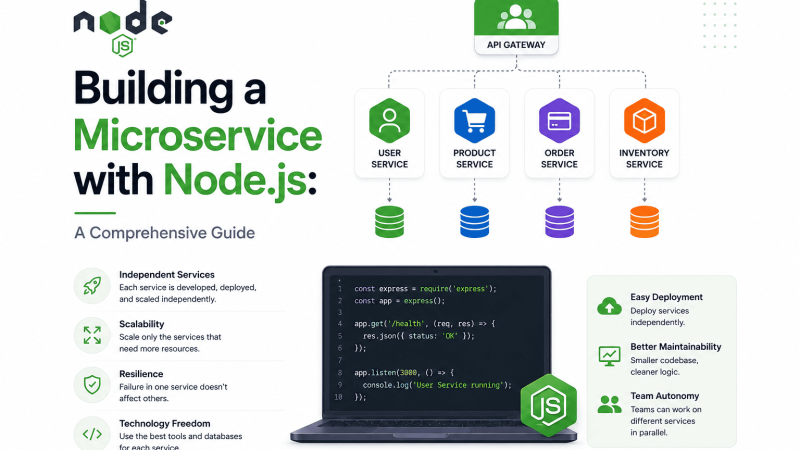
Building a Microservice with Node.js: A Comprehensive Guide

Introduction to Microservices and Node.js What Are Microservices? Microservices are an architectural approach to software development where a single application is composed of small, independent services that communicate over a network. Each service is responsible for a specific business capability and can be developed, deployed, and scaled independently. Unlike monolithic architectures, where all functionality is […]

Read More

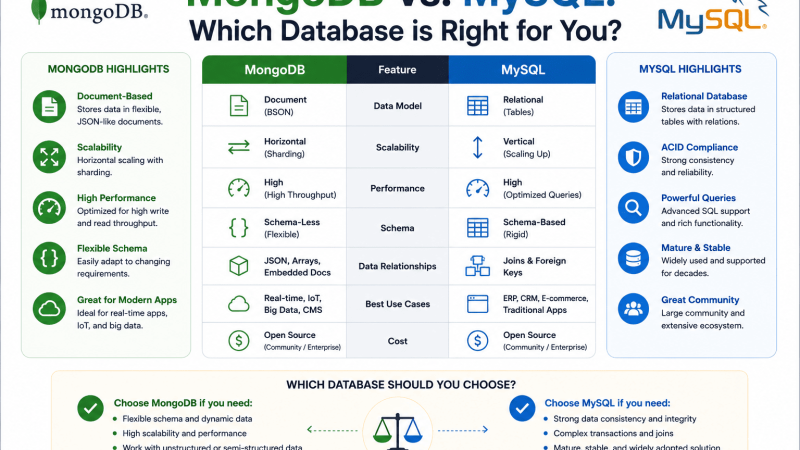
MongoDB vs. MySQL: Which Database is Right for You?

Introduction to MongoDB and MySQL Choosing the right database is a foundational decision for any application. Two of the most popular options are MongoDB and MySQL, but they represent fundamentally different approaches to data management. MongoDB is a NoSQL document store designed for flexibility and scalability, while MySQL is a relational database management system (RDBMS) […]

Read More

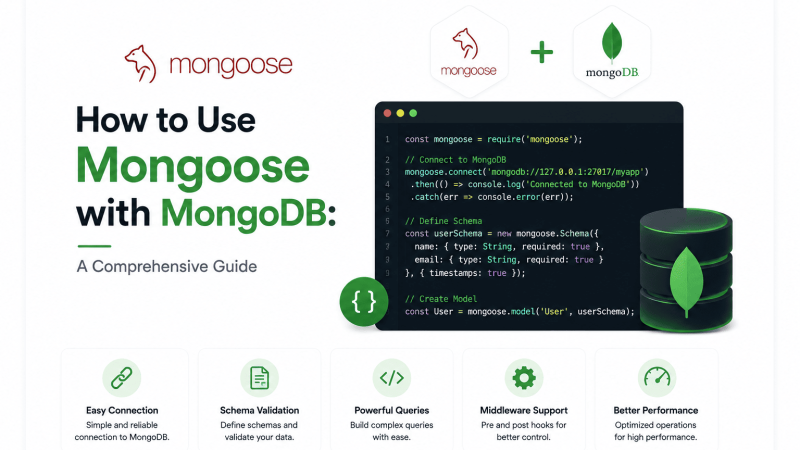
How to Use Mongoose with MongoDB: A Comprehensive Guide

Introduction to Mongoose and MongoDB When building Node.js applications that require persistent data storage, MongoDB emerges as a popular NoSQL database choice due to its flexibility and scalability. However, interacting directly with MongoDB using its native driver can become repetitive and error-prone, especially when managing data structure, validation, and relationships. This is where Mongoose enters […]

Read More