Hi, I’m Azim Uddin

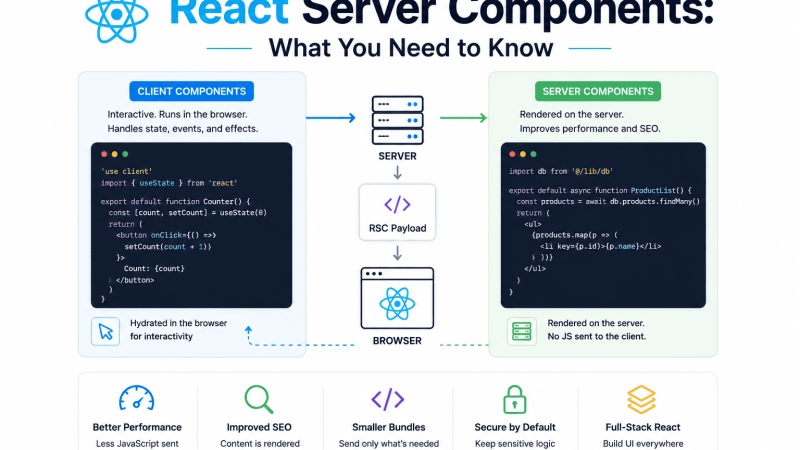
React Server Components: What You Need to Know

Introduction to React Server Components React Server Components (RSC) represent a fundamental shift in how developers build React applications, moving away from the traditional paradigm where all components run exclusively in the browser. Instead, RSC allows components to execute on the server, sending only their rendered output to the client. This change addresses long-standing challenges […]
Read More

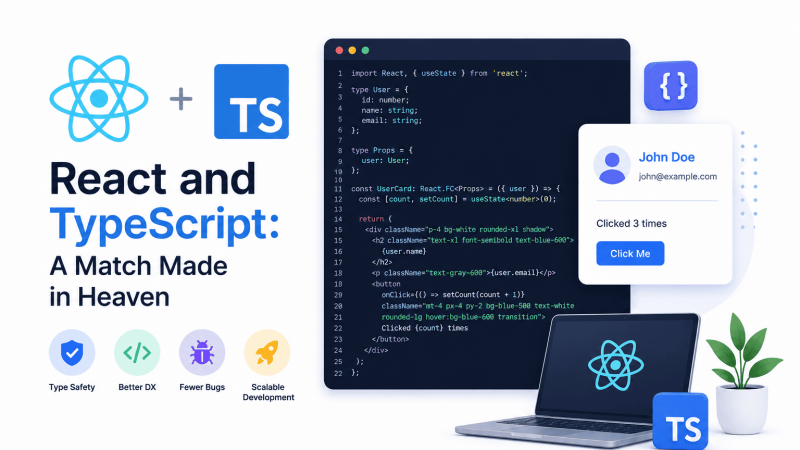
React and TypeScript: A Match Made in Heaven

Introduction: Why React and TypeScript Work So Well Together The partnership between React and TypeScript has become a cornerstone of modern frontend development, offering a synergy that elevates both productivity and code quality. React’s component-based architecture naturally benefits from TypeScript’s static type system, which catches errors at compile time rather than runtime. This combination reduces […]

Read More

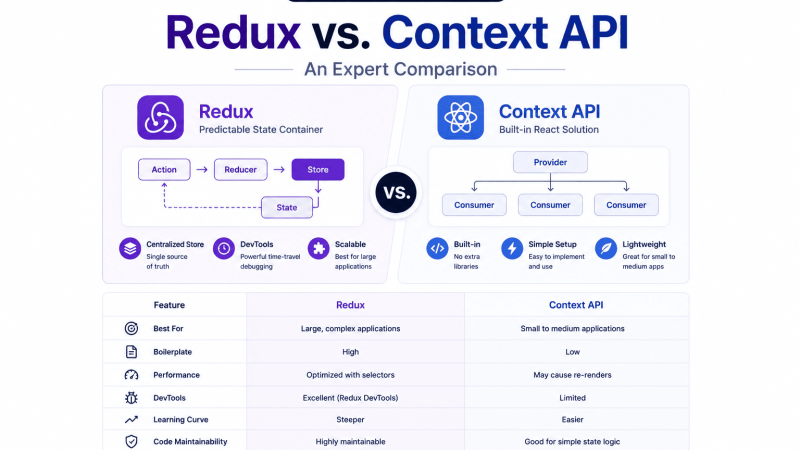
React State Management: Redux vs. Context API – An Expert Comparison

Introduction to State Management in React State management is the backbone of any dynamic React application, dictating how data flows, updates, and renders across components. As applications grow in complexity, managing state locally within individual components becomes increasingly untenable. The core challenge lies in maintaining a predictable, debuggable data flow while avoiding deeply nested prop […]

Read More

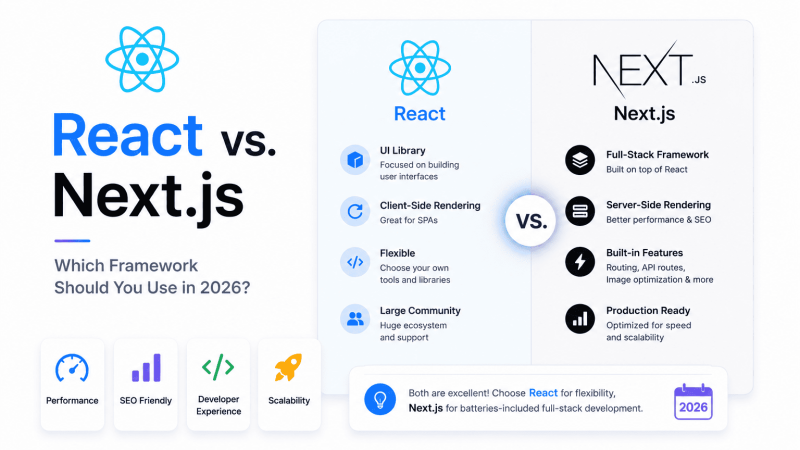
React vs. Next.js: Which Framework Should You Use in 2026?

1. Introduction: The State of Frontend Development in 2026 As the frontend ecosystem matures into 2026, the line between client-side rendering and server-side processing has all but vanished. Developers now demand frameworks that seamlessly blend static site generation, server-side rendering, incremental hydration, and edge computing—all without sacrificing developer ergonomics. React and Next.js, long intertwined, have […]

Read More

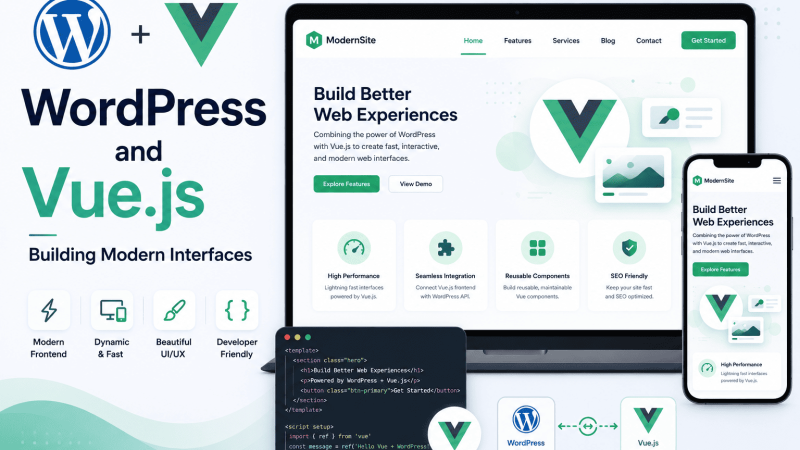
WordPress and Vue.js: Building Modern Interfaces

Introduction: The Case for Combining WordPress with Vue.js The modern web demands interfaces that are both dynamic and performant, pushing developers to reevaluate traditional content management paradigms. WordPress, which powers over 40% of all websites, has evolved far beyond its origins as a blogging platform. Meanwhile, Vue.js, a progressive JavaScript framework, offers a lightweight, reactive […]

Read More