Azim Uddin

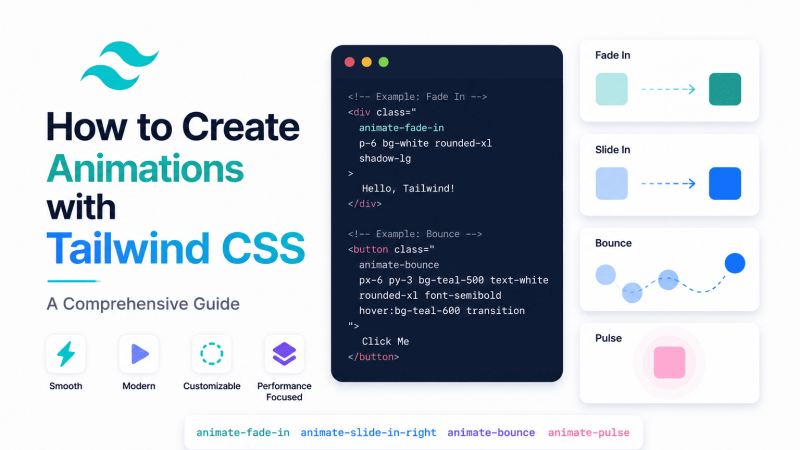
How to Create Animations with Tailwind CSS: A Comprehensive Guide

Introduction to Tailwind CSS Animations Tailwind CSS offers a robust set of built-in animation utilities that allow developers to add motion to web projects quickly and efficiently, without writing custom CSS keyframes or transitions. These utilities are designed to work seamlessly with Tailwind’s utility-first approach, enabling you to apply animations directly in your HTML by […]
Read More

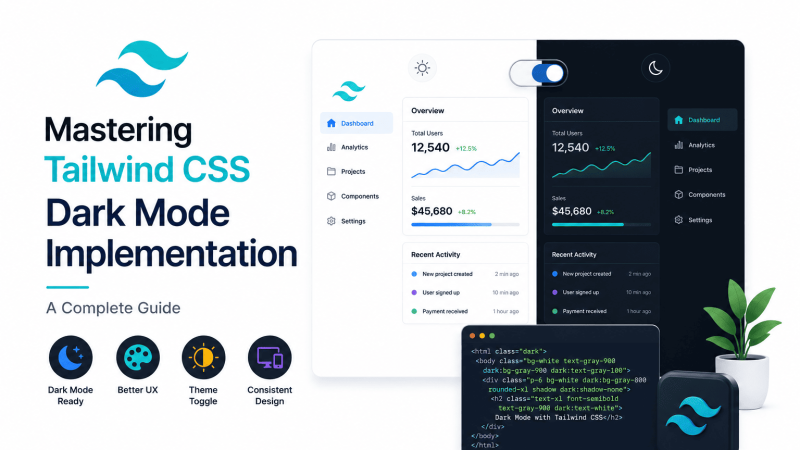
Mastering Tailwind CSS Dark Mode Implementation: A Complete Guide

Introduction to Tailwind CSS Dark Mode Dark mode has evolved from a niche preference into a standard expectation across modern web applications. Users increasingly seek interfaces that reduce eye strain, conserve battery life on OLED screens, and provide a visually soothing alternative to bright white backgrounds. Implementing dark mode traditionally required extensive CSS overrides, JavaScript […]

Read More

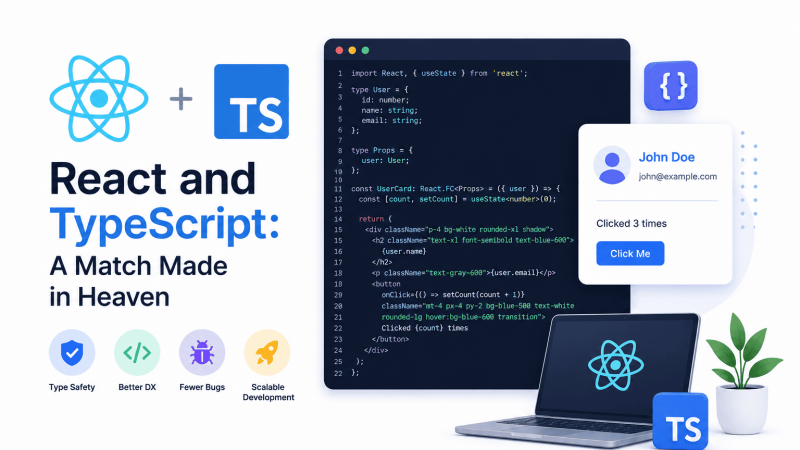
React and TypeScript: A Match Made in Heaven

Introduction: Why React and TypeScript Work So Well Together The partnership between React and TypeScript has become a cornerstone of modern frontend development, offering a synergy that elevates both productivity and code quality. React’s component-based architecture naturally benefits from TypeScript’s static type system, which catches errors at compile time rather than runtime. This combination reduces […]

Read More

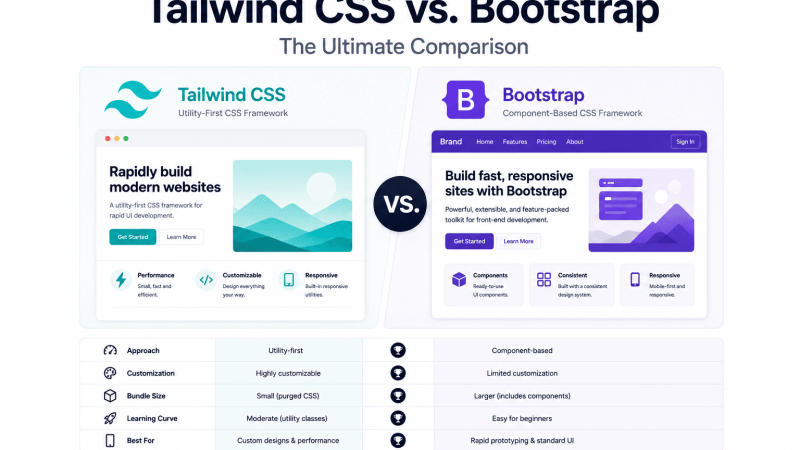
Tailwind CSS vs. Bootstrap: The Ultimate Comparison

Tailwind CSS vs. Bootstrap: The Ultimate Comparison In the landscape of modern web development, two CSS frameworks stand as titans: Bootstrap and Tailwind CSS. Each has shaped how developers approach styling, yet they embody fundamentally different philosophies. Bootstrap, launched by Twitter in 2011, revolutionized front-end work by offering a comprehensive library of prebuilt components and […]

Read More

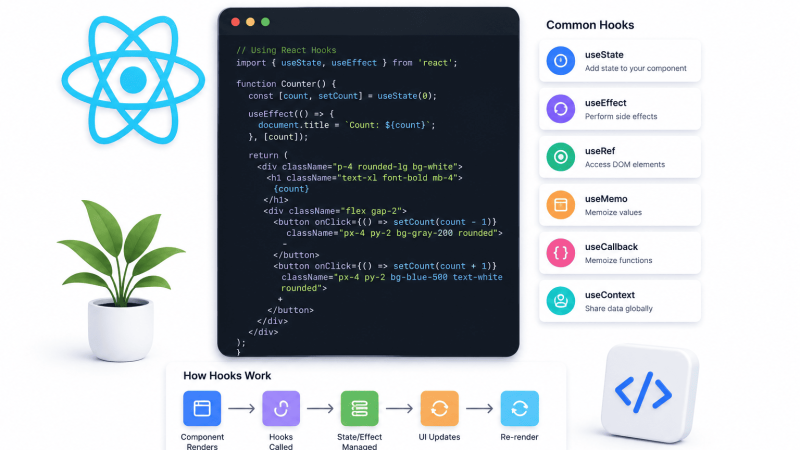
React Hooks: A Complete Guide for Beginners

Introduction to React Hooks What Are React Hooks? React Hooks are functions that let you use state and lifecycle features in function components without writing a class. Introduced in React 16.8, they provide a more direct API for managing component logic. Hooks allow you to reuse stateful behavior across components, making your code more modular […]

Read More

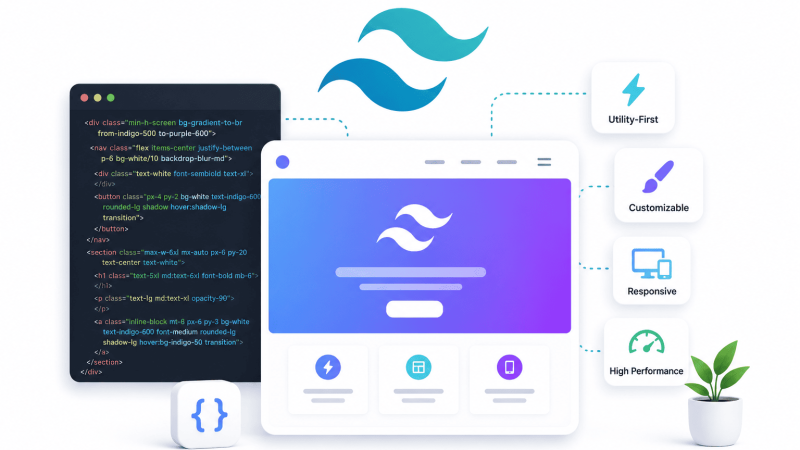
Why Tailwind CSS is Revolutionizing Frontend Development

Introduction: The Rise of Utility-First CSS For over a decade, frontend developers relied on monolithic CSS frameworks like Bootstrap and Foundation to style web interfaces. These frameworks offered pre-built components—buttons, modals, grids—that promised consistency and speed. Yet as projects grew in complexity, the limitations became clear: bloated stylesheets, rigid design systems, and the constant battle […]

Read More

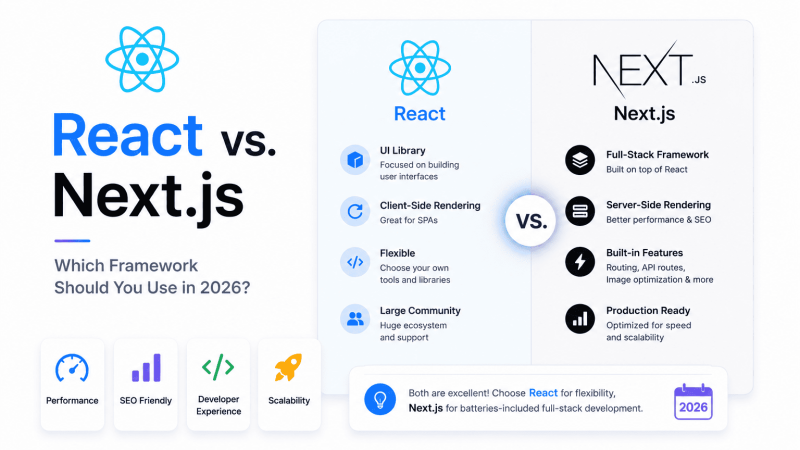
React vs. Next.js: Which Framework Should You Use in 2026?

1. Introduction: The State of Frontend Development in 2026 As the frontend ecosystem matures into 2026, the line between client-side rendering and server-side processing has all but vanished. Developers now demand frameworks that seamlessly blend static site generation, server-side rendering, incremental hydration, and edge computing—all without sacrificing developer ergonomics. React and Next.js, long intertwined, have […]

Read More

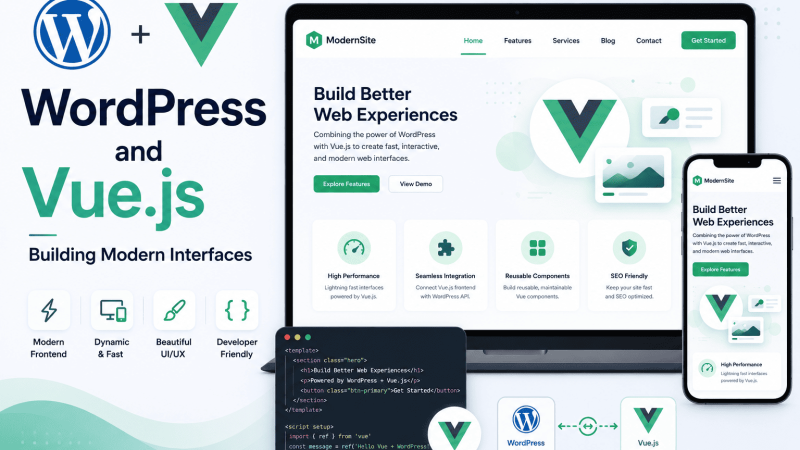
WordPress and Vue.js: Building Modern Interfaces

Introduction: The Case for Combining WordPress with Vue.js The modern web demands interfaces that are both dynamic and performant, pushing developers to reevaluate traditional content management paradigms. WordPress, which powers over 40% of all websites, has evolved far beyond its origins as a blogging platform. Meanwhile, Vue.js, a progressive JavaScript framework, offers a lightweight, reactive […]

Read More

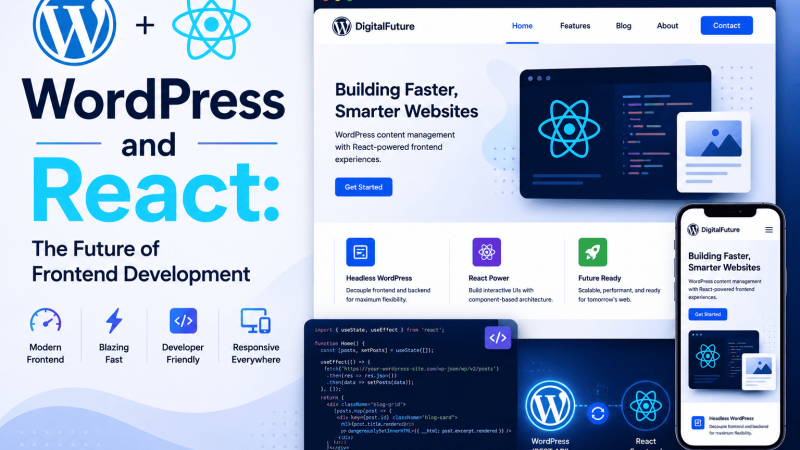
WordPress and React: The Future of Frontend Development

Introduction: The Convergence of Two Giants WordPress began its journey in 2003 as a simple blogging platform, but over two decades it has evolved into the world’s most widely used content management system, powering over 40% of all websites. Its growth from a monolithic PHP-based system to a flexible CMS with a plugin ecosystem and […]

Read More