Azim Uddin

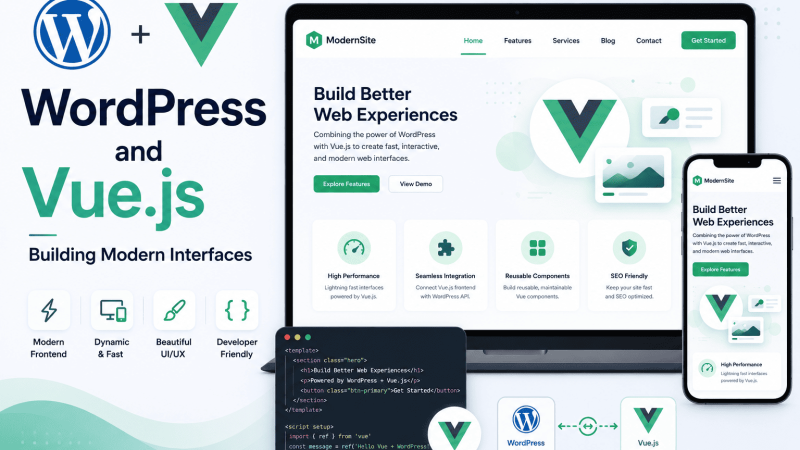
WordPress and Vue.js: Building Modern Interfaces

Introduction: The Case for Combining WordPress with Vue.js The modern web demands interfaces that are both dynamic and performant, pushing developers to reevaluate traditional content management paradigms. WordPress, which powers over 40% of all websites, has evolved far beyond its origins as a blogging platform. Meanwhile, Vue.js, a progressive JavaScript framework, offers a lightweight, reactive […]
Read More

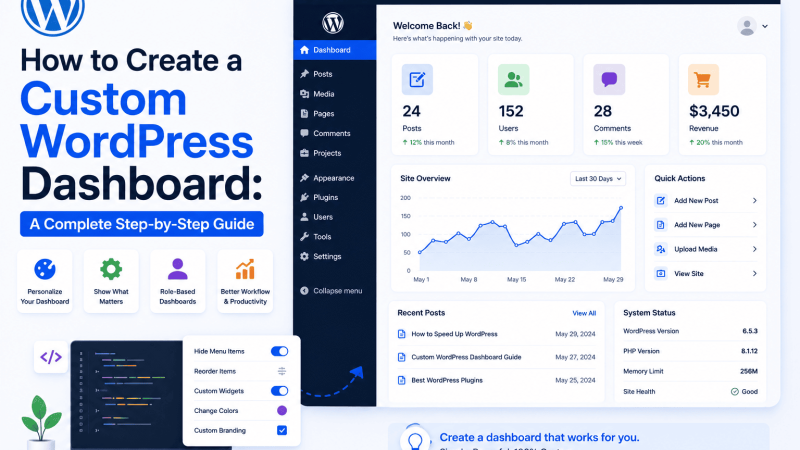
How to Create a Custom WordPress Dashboard: A Complete Step-by-Step Guide

1. Why Customize Your WordPress Dashboard? The WordPress dashboard is the command center for your website, but its default layout is designed for a broad audience, not for your specific needs. A custom dashboard transforms this generic interface into a streamlined tool that saves time, reduces confusion, and enhances productivity. Whether you manage multiple sites, […]

Read More

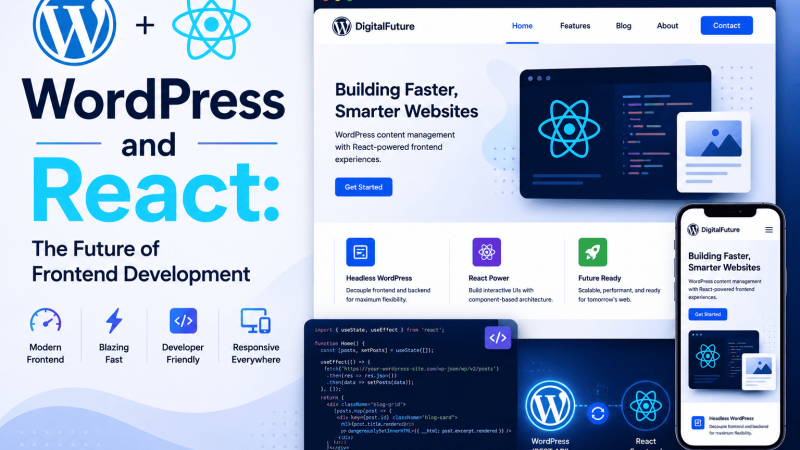
WordPress and React: The Future of Frontend Development

Introduction: The Convergence of Two Giants WordPress began its journey in 2003 as a simple blogging platform, but over two decades it has evolved into the world’s most widely used content management system, powering over 40% of all websites. Its growth from a monolithic PHP-based system to a flexible CMS with a plugin ecosystem and […]

Read More

WordPress and Webhooks: Automating Workflows for Seamless Integration

Introduction to Webhooks and Their Role in WordPress Webhooks are automated HTTP callbacks triggered by specific events, enabling real-time data exchange between systems. In the context of WordPress, they function as lightweight, event-driven connectors that push data from one application to another the moment an action occurs—such as a new post being published, a user […]

Read More

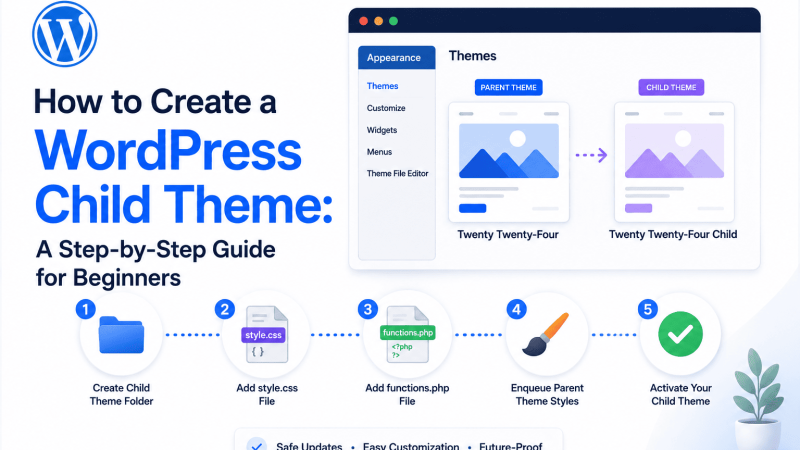
How to Create a WordPress Child Theme: A Step-by-Step Guide for Beginners

Introduction Customizing a WordPress site is a common need, whether you are adjusting colors, adding functionality, or restructuring layouts. However, making changes directly to a theme’s core files can lead to a frustrating problem: when the theme updates, your customizations are overwritten and lost. This is where the concept of a child theme becomes invaluable. […]

Read More

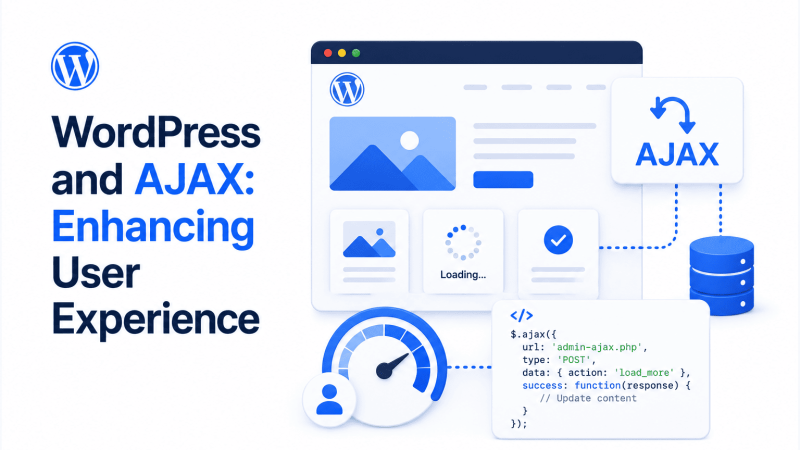
WordPress and AJAX: Enhancing User Experience

Introduction to AJAX in WordPress AJAX, which stands for Asynchronous JavaScript and XML, is a set of web development techniques that allows a webpage to communicate with a server in the background without requiring a full page reload. In the context of WordPress, AJAX transforms static content delivery into a fluid, interactive experience. Instead of […]

Read More

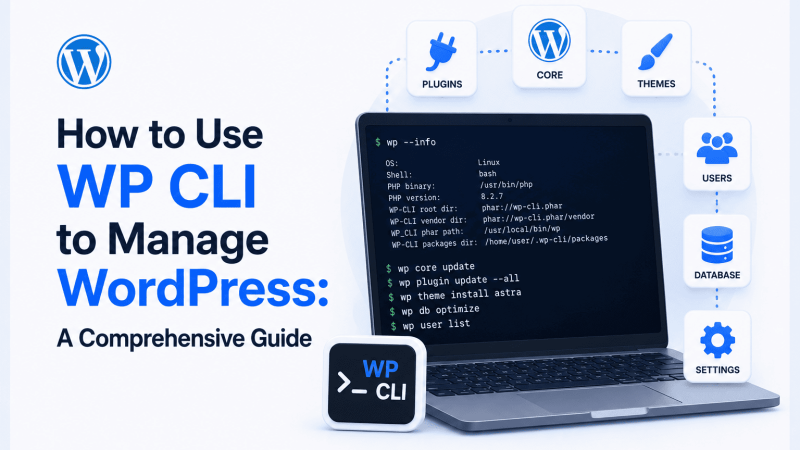
How to Use WP CLI to Manage WordPress: A Comprehensive Guide

Introduction to WP CLI WP CLI is a powerful command-line interface for managing WordPress installations, offering developers and site administrators a streamlined way to perform tasks without navigating the WordPress dashboard. This tool transforms how you interact with WordPress, enabling rapid execution of common operations such as plugin updates, database management, and user administration through […]

Read More

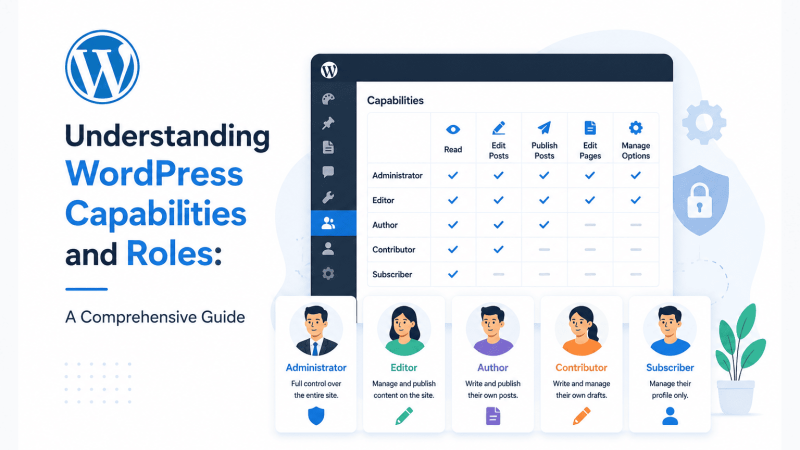
Understanding WordPress Capabilities and Roles: A Comprehensive Guide

Introduction to WordPress Capabilities and Roles WordPress, as a content management system, powers over 40% of all websites on the internet. Its flexibility and scalability stem from a granular permission system that controls what each user can and cannot do. This system, built around the concepts of capabilities and roles, is foundational to site security, […]

Read More

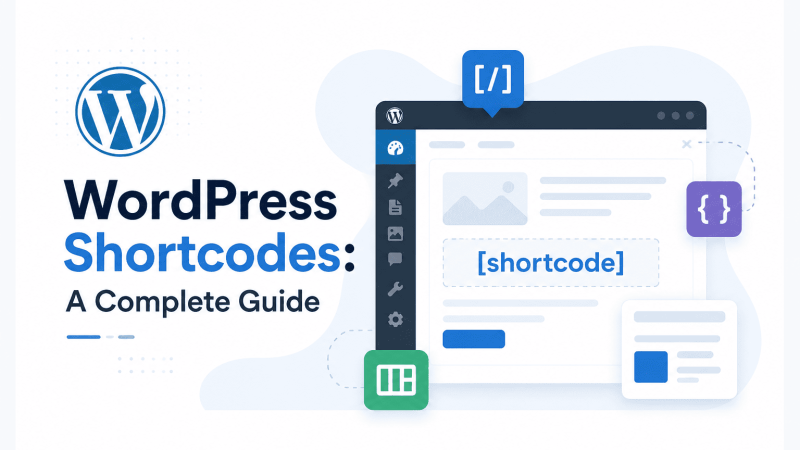
WordPress Shortcodes: A Complete Guide

Introduction to WordPress Shortcodes WordPress shortcodes are small, bracketed code snippets that allow users to execute predefined functions within posts, pages, or widgets without writing any PHP. Introduced in WordPress 2.5, these compact tags—like or —replace complex code with a simple, user-friendly syntax. They enable anyone to embed dynamic content such as galleries, videos, forms, […]

Read More