Azim Uddin

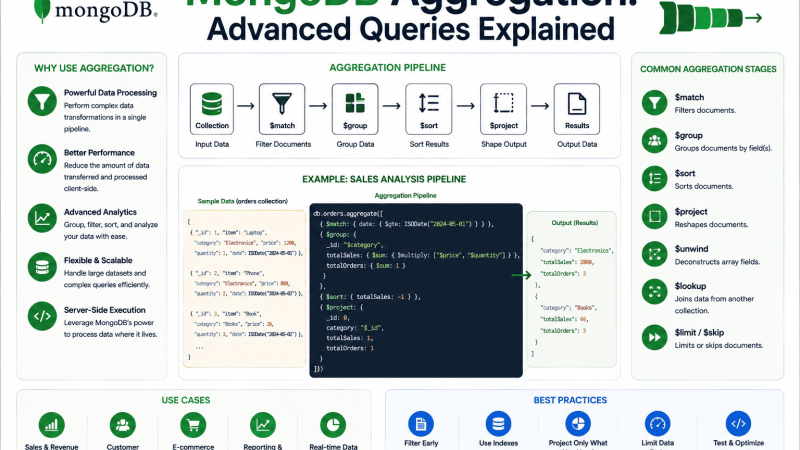
MongoDB Aggregation: Advanced Queries Explained

Introduction to MongoDB Aggregation Pipeline The MongoDB aggregation pipeline is a powerful, flexible framework for processing data records and returning computed results. Unlike basic find() operations that retrieve documents based on simple filters, the aggregation pipeline enables multi-stage transformations—filtering, grouping, sorting, reshaping, and computing—all within a single, efficient pipeline. It is designed for complex analytics, […]
Read More

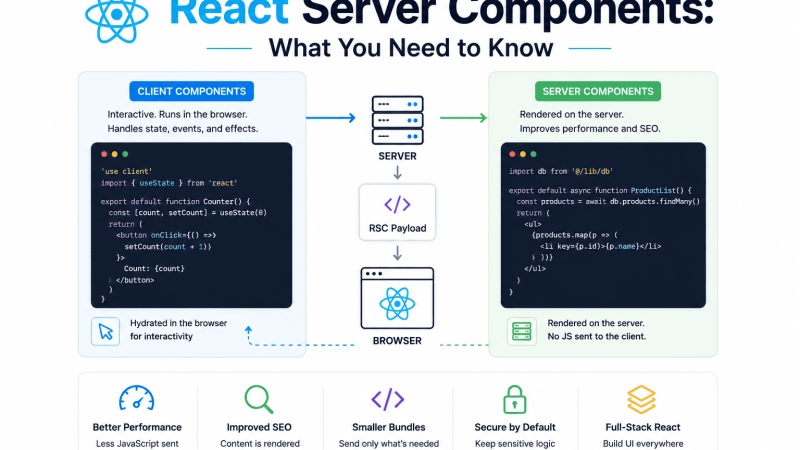
React Server Components: What You Need to Know

Introduction to React Server Components React Server Components (RSC) represent a fundamental shift in how developers build React applications, moving away from the traditional paradigm where all components run exclusively in the browser. Instead, RSC allows components to execute on the server, sending only their rendered output to the client. This change addresses long-standing challenges […]

Read More

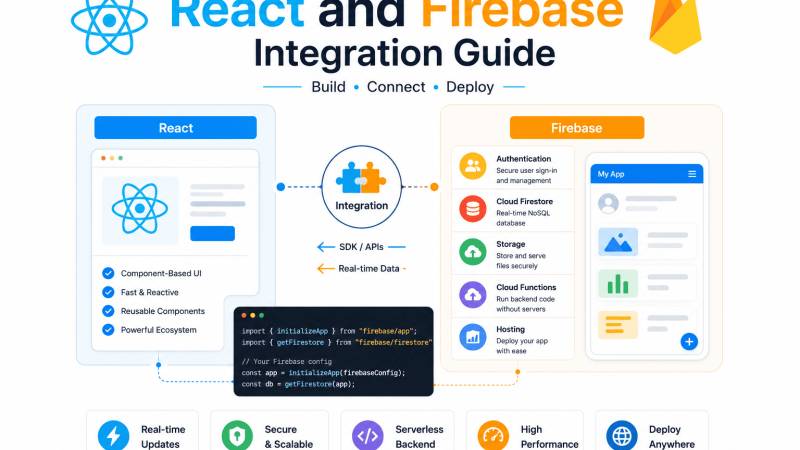
React and Firebase Integration Guide

Introduction to React and Firebase The combination of React and Firebase has become a cornerstone for modern web development, enabling developers to build full-stack applications without the overhead of managing traditional server infrastructure. React, a JavaScript library for building user interfaces, provides the frontend layer, while Firebase, a Backend-as-a-Service (BaaS) platform by Google, handles the […]

Read More

Elementor Dynamic Content: Advanced Tips for Power Users

Introduction to Dynamic Content in Elementor Dynamic content in Elementor transforms how advanced site builders approach website creation. Unlike static content, which remains fixed until manually edited, dynamic content pulls data from sources like custom fields, user profiles, or databases, updating automatically across pages. This capability allows for scalable, personalized websites that adapt to user […]

Read More

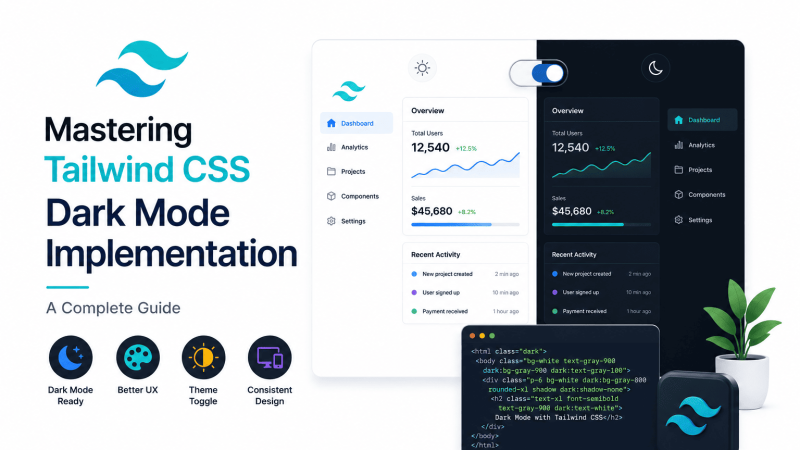
Mastering Tailwind CSS Dark Mode Implementation: A Complete Guide

Introduction to Tailwind CSS Dark Mode Dark mode has evolved from a niche preference into a standard expectation across modern web applications. Users increasingly seek interfaces that reduce eye strain, conserve battery life on OLED screens, and provide a visually soothing alternative to bright white backgrounds. Implementing dark mode traditionally required extensive CSS overrides, JavaScript […]

Read More

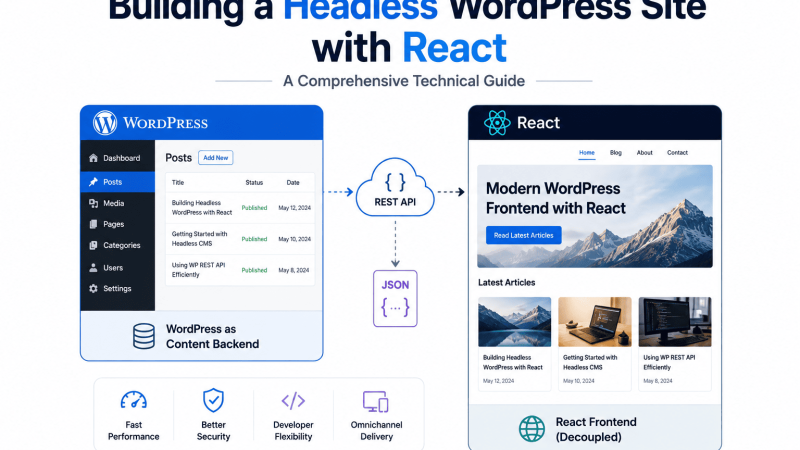
Building a Headless WordPress Site with React: A Comprehensive Technical Guide

Introduction to Headless WordPress and React Building a Headless WordPress Site with React represents a modern architectural shift that separates content management from presentation. In this model, WordPress serves exclusively as a content repository and API provider, while React handles all frontend rendering and user interaction. This decoupling enables developers to leverage WordPress’s mature editorial […]

Read More

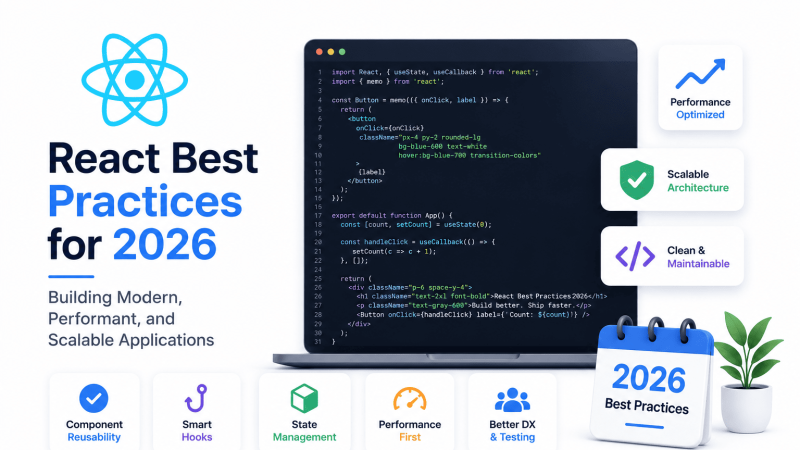
React Best Practices for 2026: Building Modern, Performant, and Scalable Applications

1. Embrace the React Server Component Paradigm By 2026, React Server Components have transitioned from an experimental feature to the foundational architecture for modern React applications, particularly within frameworks like Next.js and Remix. This paradigm shift fundamentally changes how developers approach rendering, data fetching, and bundle optimization. Instead of shipping all JavaScript to the client, […]

Read More

Elementor vs. Gutenberg: Which Page Builder is Better?

1. Introduction The Rise of Visual Page Builders in WordPress WordPress has evolved far beyond its origins as a blogging platform, and the rise of visual page builders has been a central driver of that transformation. For years, building custom layouts required knowledge of PHP, HTML, and CSS, creating a steep barrier for non-developers. The […]

Read More

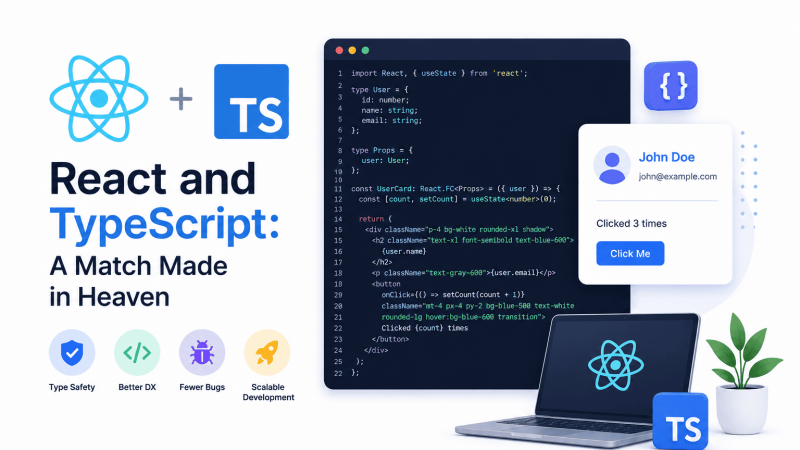
React and TypeScript: A Match Made in Heaven

Introduction: Why React and TypeScript Work So Well Together The partnership between React and TypeScript has become a cornerstone of modern frontend development, offering a synergy that elevates both productivity and code quality. React’s component-based architecture naturally benefits from TypeScript’s static type system, which catches errors at compile time rather than runtime. This combination reduces […]

Read More

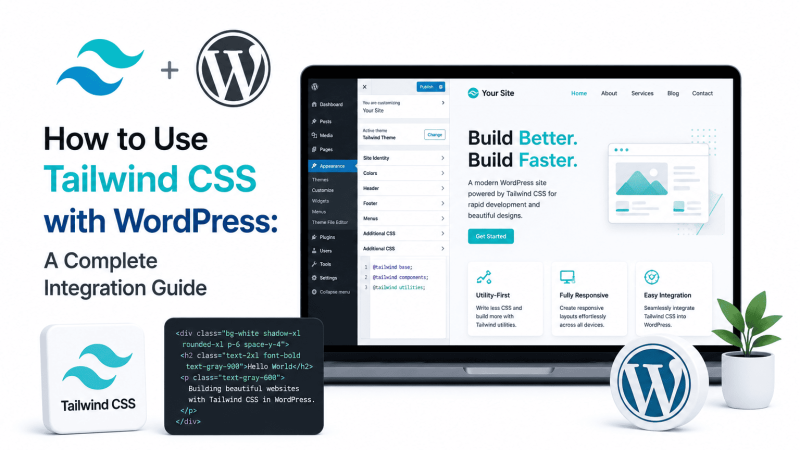
How to Use Tailwind CSS with WordPress: A Complete Integration Guide

Introduction to Tailwind CSS and WordPress What is Tailwind CSS and its core principles Tailwind CSS is a utility-first CSS framework that enables rapid and efficient styling by providing low-level, composable utility classes. Unlike traditional CSS frameworks that offer pre-designed components like buttons or cards, Tailwind focuses on atomic classes such as flex, text-center, p-4, […]

Read More