Azim Uddin

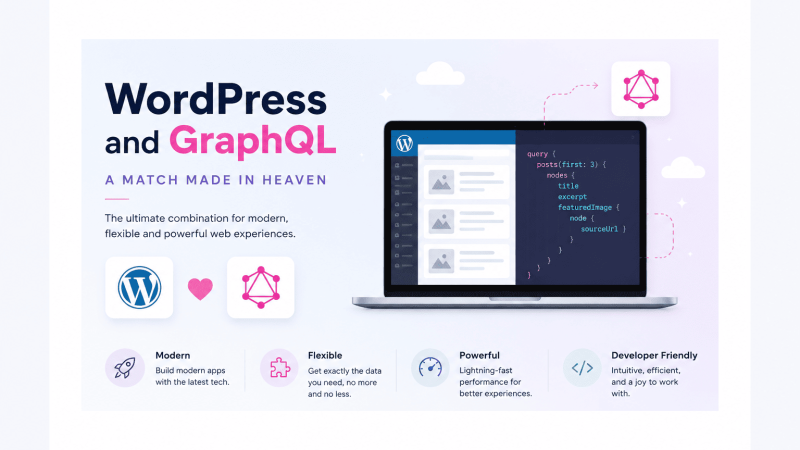
WordPress and GraphQL: A Match Made in Heaven

Introduction: Why WordPress and GraphQL Are a Perfect Pair WordPress powers over 40% of all websites, but its traditional REST API often struggles to meet the demands of modern, dynamic applications. Enter GraphQL: a query language that lets developers request exactly the data they need—no more, no less. This synergy between WordPress’s robust content management […]
Read More

How to Optimize WordPress for High Traffic: A Comprehensive Guide

1. Choose a High-Performance Hosting Provider Your hosting environment is the foundation of site speed and scalability. For high-traffic WordPress sites, shared hosting is insufficient; you need a provider that offers dedicated resources, SSD storage, and robust caching. A poor hosting choice can lead to slow page loads, frequent downtime, and an inability to handle […]

Read More

The Complete Guide to WordPress Caching: Speed, Performance, and Best Practices

Introduction to WordPress Caching In the competitive landscape of modern web publishing, site speed is no longer a luxury—it is a fundamental requirement for user retention, search engine ranking, and overall business success. For WordPress, the world’s most popular content management system, caching stands as the single most impactful performance strategy available. Without a proper […]

Read More

WordPress Theme Development: Best Practices for 2026

1. Embracing the Block Editor and Full Site Editing By 2026, Full Site Editing (FSE) and the Block Editor are no longer optional features in WordPress theme development; they represent the foundational standard. Developers must abandon traditional template hierarchies built solely around header.php, footer.php, and sidebar.php in favor of a block-driven, site-wide editing experience. This […]

Read More

How to Optimize Your WordPress Database for Speed: A Comprehensive Guide

Introduction: Why Database Optimization Matters for Speed When you think about speeding up your WordPress site, your first impulse might be to optimize images, enable caching, or choose a faster host. These are all critical steps. However, there is a hidden layer beneath the surface that can quietly sabotage your best efforts: your database. The […]

Read More

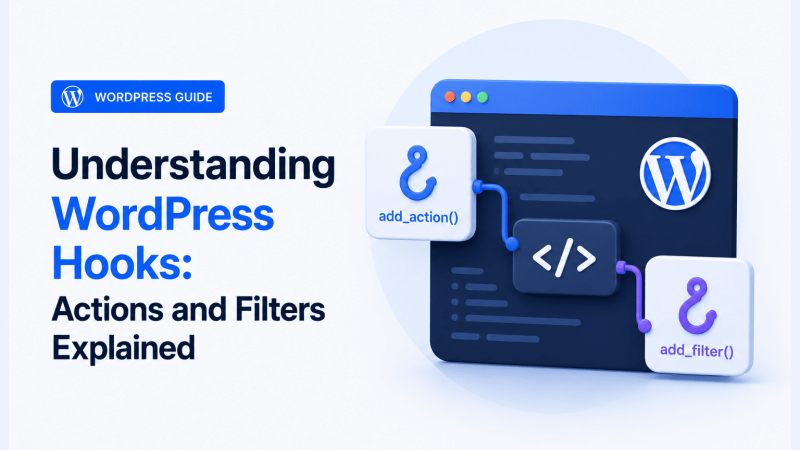
Understanding WordPress Hooks: Actions and Filters Explained

Introduction to WordPress Hooks WordPress hooks are a fundamental mechanism that allows developers to modify or extend the behavior of WordPress without altering its core files. They act as predefined points in the WordPress execution flow where custom code can be inserted, enabling actions like adding content, changing data, or injecting functionality. For developers and […]

Read More

How to Create a Custom Post Type in WordPress: A Complete Developer’s Guide

Introduction to Custom Post Types WordPress began as a blogging platform, but it has evolved into a full-featured content management system (CMS) that powers over 40% of the web. At its core, WordPress organizes content into two default content types: posts (for blog entries, often displayed in reverse chronological order) and pages (for static, hierarchical […]

Read More

10 Essential WordPress Plugins for Every Business Website

1. Yoast SEO – Optimize Your Content for Search Engines For any business website aiming to attract organic traffic, visibility in search engine results is non-negotiable. Yoast SEO, one of the most widely adopted WordPress plugins, provides a comprehensive toolkit to fine-tune your content for search engines without requiring technical expertise. It bridges the gap […]

Read More

The Ultimate Guide to WordPress Plugin Development

Introduction to WordPress Plugin Development WordPress powers over 40% of all websites on the internet, and its flexibility comes largely from its plugin architecture. A plugin is a package of code that extends or modifies the core functionality of a WordPress site without altering the core files. This means you can add features—from simple contact […]

Read More

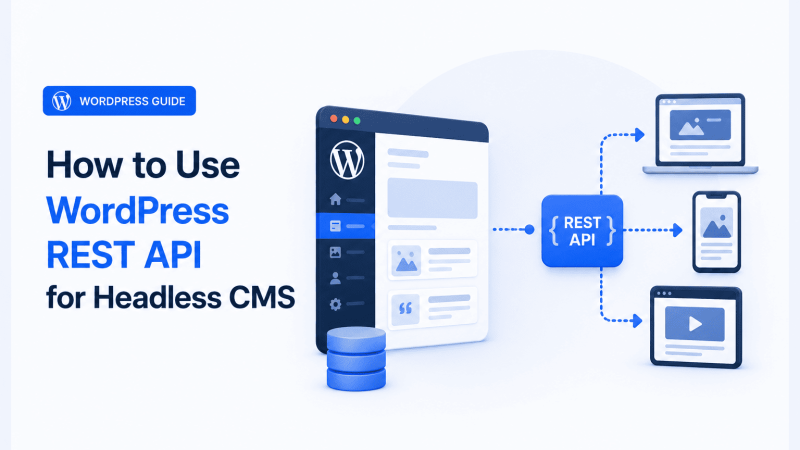
How to Use WordPress REST API for Headless CMS: A Comprehensive Guide

Introduction to Headless CMS and the WordPress REST API The modern web demands flexibility, speed, and seamless user experiences across devices. Traditional content management systems (CMS) often couple the backend—where content is created and stored—with the frontend—where it is displayed. While this works for many sites, it can limit scalability, performance, and the ability to […]

Read More